
Odo, a root vegetable with a mild, earthy flavor and crisp texture, rarely gets the spotlight it deserves. Walk into any high-end kaiseki restaurant in Kyoto, and you might find it thinly sliced and simmered in dashi。but ask the average home cook about odo, and you'll likely get a blank stare. That's a shame. This humble ingredient—often called Japanese burdock or gobo in some regions—has been cultivated for centuries, yet its culinary potential remains largely untapped outside Japan.I first encountered odo at a small izakaya in Sapporo. The chef, a gruff man in his sixties。served it raw, cut into matchsticks and dressed with a tart citrus ponzu. The crunch was startling—like a fresh water chestnut but with a subtle sweetness that lingered. He explained that odo thrives in cool, mountainous regions and that its peak season is late autumn. Unlike its cousin gobo, which is prized for its fiber and deep umami, odo is more delicate. Overcooking it turns it to mush;a quick blanch or a brief stir-fry preserves its character. That meal changed how I viewed root vegetables.Nutritionally, odo packs a quiet punch. It's low in calories but rich in potassium and dietary fiber, and some studies suggest it contains compounds that support liver function. Traditional Japanese medicine has used odo extracts for digestive issues for generations. Yet, modern supermarkets often overlook it in favor of flashier produce. I've seen farmers at local markets in Nagano sell odo for pennies。
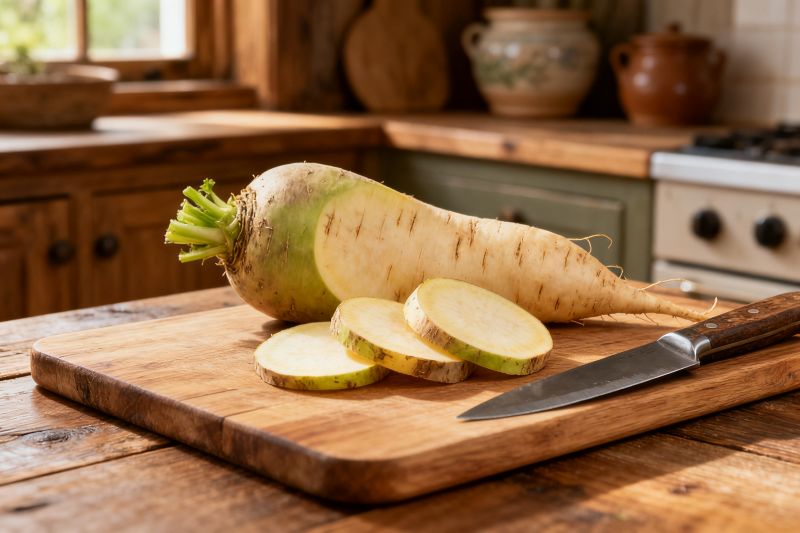
almost apologetically, as if it were a relic. That's a mistake. When roasted with a drizzle of sesame oil and sea salt, odo develops a caramelized edge that rivals any potato dish. Its versatility—raw, pickled, braised, or fried—makes it a workhorse in the kitchen.Why hasn't odo caught on globally?Part of it is perception. Root vegetables outside the carrot-and-potato duo often get labeled as 'peasant food.' Another factor is availability;odo doesn't ship well and has a short shelf life. But I've noticed a shift. Chefs in Portland and Copenhagen are experimenting with odo, pairing it with fermented chili pastes or shaving it raw over grilled fish. A friend who runs a farm-to-table spot in Vermont started growing odo last year and sold out within weeks. The demand is there—it just needs a push. If you spot odo at an Asian grocer, buy it. Peel it lightly。
soak it in water to remove any bitterness, and treat it like a crisp vegetable rather than a starchy one.Odo won't replace the potato or the carrot, and it shouldn't try. Its value lies in its distinctiveness—that clean。snappy bite and the way it absorbs flavors without losing its identity. I keep a bunch in my fridge during autumn, ready to julienne for salads or toss into a hot pan with garlic and soy. It's a small rebellion against culinary monotony. Next time you plan a meal, consider giving odo a chance. You might find, as I did, that the quietest ingredients often leave the loudest impressions.